Jan 13, 2026 | Temporary Access Mat
“Success is where preparation and action meet.” – Bobby Unser
Working outdoors in Canada is never easy, especially when the ground is wet, frozen, or full of mud. In fact, bad weather can stop work fast and cause big delays on job sites.
Many crews lose time because trucks get stuck, workers cannot walk safely, and machines cannot reach the right areas.
How can teams keep moving when snow, rain, and soft ground block the way?
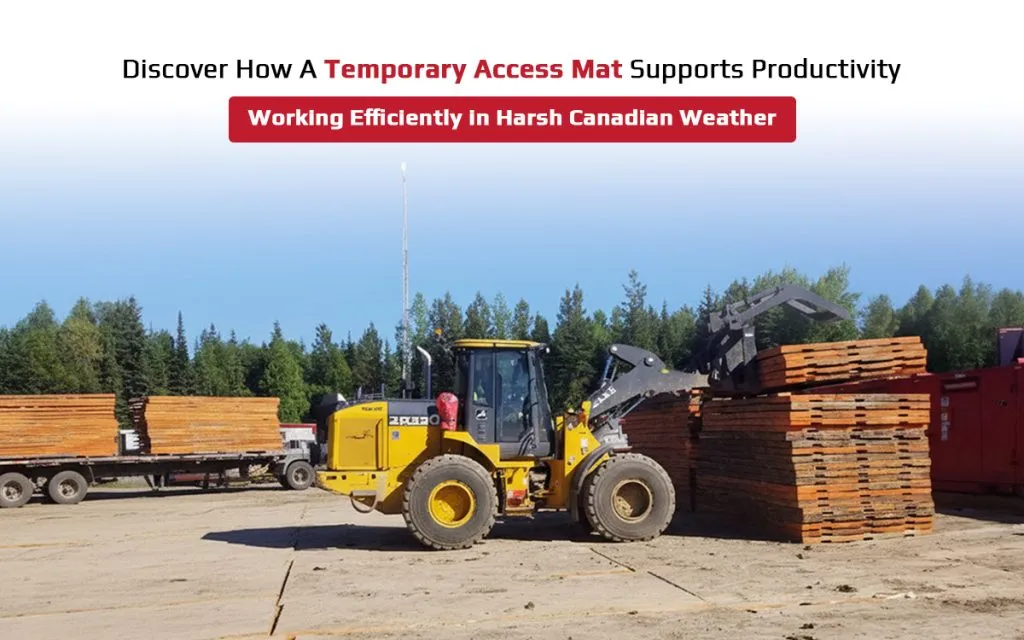
This is where a temporary access mat becomes very helpful. It gives a safe path over weak ground and helps people and machinery move without trouble.
Let’s look at how these mats help crews stay safe, avoid delays, and keep projects moving even during harsh Canadian weather.
Why Does Weather Affect Construction Productivity in Canada?
Canadian sites face unique challenges:
- Cold and Snow: Harsh temperatures can be quite cold, going below -20°C, and the amount of snow increases at a rapid rate, blocking access. It is a fact that the productivity of workers decreases by as much as 50 percent due to the slow movement, as well as safety breaks.
- Weather Delays: Projects can lose 2 to 5 workdays per month to weather interruptions, forcing crews to pause or work slower.
- Equipment Risks: Mud, ice, and unstable ground can immobilize vehicles and heavy machinery – a big issue for pipelines, mining, and civil construction in remote Canada.
In this kind of environment, productivity is not just focused on speed but on staying safe while working, when nature is not being so supportive.
What is a Temporary Access Mat and Why is It So Important?

When you work in Canada, the ground is not always your friend. One day, it is frozen and solid. The next day, it is soft, muddy, and covered in snow.
This makes it very hard for trucks, machines, and workers to move around.
This is where a temporary access mat becomes a lifesaver.
A temporary access mat is a rugged, heavy-duty platform designed for soft or muddy ground. Built from three layers of 2×8 timber in an 8’x14′ size, it transforms unstable terrain into a reliable path. Your trucks drive through, your machines stay level, and your crew walks safely.
It may look simple, but access mats keep your whole project moving when bad weather tries to stop you. Access mats remain the standard for turning mud into a stable worksite, ensuring your timeline stays on track despite the elements.
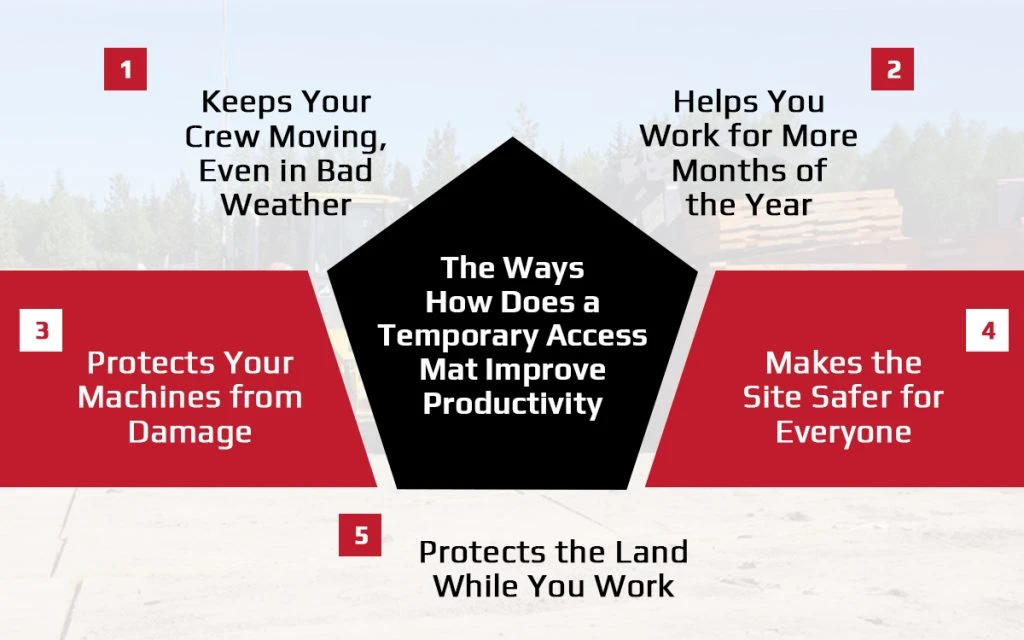
How Does a Temporary Access Mat Improve Productivity?
Before we look at the points below, think about this:
When the ground presents challenges, everything slows down. Crews wait. Machines stop. Deadlines move.
A temporary access mat removes that problem and brings back productive workdays.
Let’s see how.
1. Keeps Your Crew Moving, Even in Bad Weather
Rain, melting snow, and soft soil can turn your site into a mess. Without access mats, your team might need to wait days or even weeks before the ground is suitable to work on.
With a temporary access mat, your workers can easily keep walking, and your machines can keep moving. It creates a clean, firm path over mud and snow. That means:
- No waiting for the weather to improve
- No trucks or machinery are stuck in soft ground
- No work stoppage during busy seasons
Your project stays on time and on budget.
2. Helps You Work for More Months of the Year
In Canada, spring thaw and early winter can stop many projects. The soil is too soft, wet, or frozen to work on.
With the temporary access mat, you are able to start the year earlier and end it later compared to other seasons. These mats create solid paths during wet months, so you do not lose valuable work time.
This translates to increased project turnovers and fewer setbacks. Utilizing these mats ensures your operations remain profitable by hitting deadlines and avoiding costly downtime.
3. Protects Your Machines from Damage
Heavy machines cannot operate efficiently on soft surfaces. When they sink into mud or ice, the engine works harder, tires wear out faster, and machines often break down.
Implementing temporary access mats provides your equipment with a level, high-traction foundation. This setup ensures:
- Reduced stress on engines
- Lower repair and fuel costs
- Keeps equipment running longer
In other words, your machines are healthy, and your money stays in your pocket.
4. Makes the Site Safer for Everyone
Slippery mud and ice are very dangerous. A worker can slip on it. A machine can slide on it. So, a small mistake can lead to a big accident.
A temporary access mat provides a solid surface for your team to stand and walk on. It prevents falls and maintains the stability of vehicles and machinery. When your team is safe, your team can work faster.
Safety is more than a set of rules. It is about having the right tools on the ground to prevent accidents from happening.
5. Protects the Land While You Work
Many sites are found within forests, wetlands, or remote environments. You cannot build roads or damage the land.
A temporary access mat sits on the ground and is simply removed upon completion of the job. Soil remains safe and unharmed, plants remain protected, and the land appears the same when you’re finished.
You get the access you need without harming the environment.
Keep Your Project Moving with GFI Solutions LTD!
When Canadian weather slows your job site, the right access solution can save your time, money, and stress. That is exactly what GFI Solutions LTD is here for. We are a full-service access solution provider with everything you need, from mat sales and rentals to delivery, installation, removal, and even mat cleaning.
With the largest fleet of A, B, and C-grade bolted wooden access mats for sale in Canada, we make it easy to find the right fit for your project. Whether you need strong mats for heavy loads or simple access for light traffic, we have you covered.
Here is how GFI Solutions LTD supports your work:
- Access mats for sale or rent, based on your budget
- Full delivery, install, and removal crews
- Mat washing Services where cleaned and bleached mats are required
- Complete logistics to and from your site
- Rubber access mats that do not get damaged by tracked machines
- Steel frame rig mats and wooden crane mats for extra-heavy equipment
- Site Clean up, including wood grinding for end-of-life mat recycling
Buying mats helps you build long-term value, and renting mats helps you save up front costs, plus rentals are a 100% tax write-off, while purchases are spread over time.
No matter the season, the ground, or the size of your job, we have access solutions for every project. Reach out to us today and let us help you keep your crew moving, even in the toughest Canadian weather.
FAQs:
- Can temporary access mats really reduce project delays in winter conditions?
Yes, temporary access mats create stable paths over snow, ice, and mud, which helps crews avoid downtime caused by weather blockages.
- Are temporary access mats eco-friendly?
Because mats minimize soil disturbance and can be removed after use, they support environmental protection on sensitive work sites.
- Do access mats help with worker safety in cold Canadian weather?
Yes, they do help improve footing and minimize slipping on icy and even uneven ground.
Dec 17, 2025 | crane mats
“Safety brings first aid to the uninjured.” – F.S. Hughes
Working with cranes and heavy machines needs strong support from the ground below. When the surface is weak or uneven, even the best equipment can face problems. This is why having the right base in place matters from the very start.
Crane mats always help to create that strong base for construction and work sites. They support heavy machines, protect the ground, and make work areas safer for everyone. However, there are many people wondering how the right crane mat can be selected and what should be considered before selecting crane mats for rent. This article will provide information on how the right choices can be made.
What Are Crane Mats and Why Are They So Important?
Before any crane or heavy machine starts work, the ground below it needs to be safe as well as strong. This is precisely where the function of crane mats becomes relevant. If the ground is soft and muddy with uneven surfaces and is also weak, the machinery will sink and topple, posing danger. Crane mats help simply solve this problem.
Crane mats are common in construction sites, pipeline projects, and utility projects, among other areas where a project might be located in a distant or isolated area.
So, What Exactly Are Crane Mats?
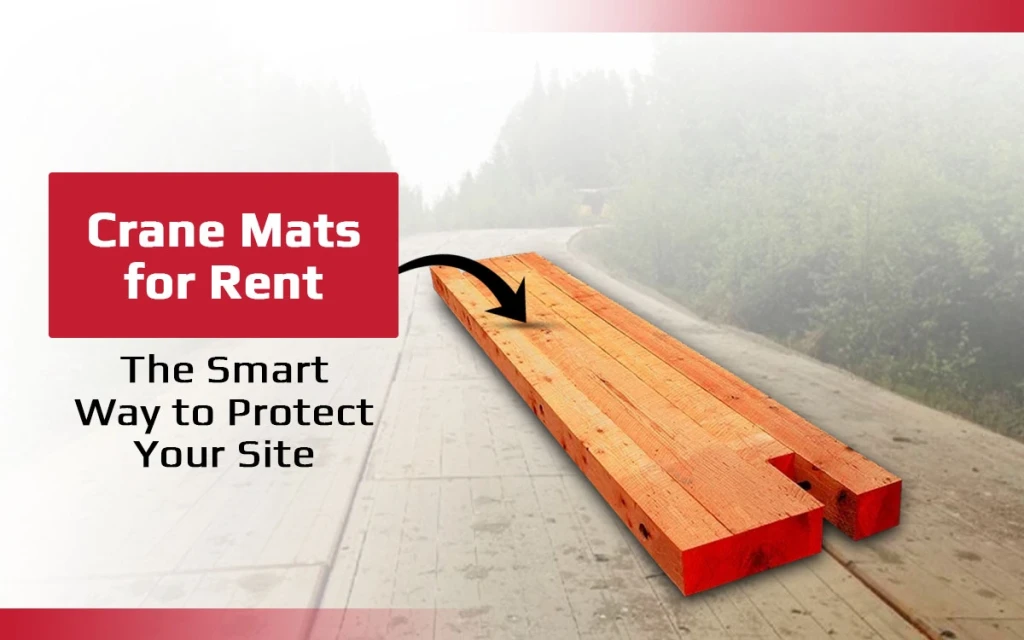
Crane mats are large, thick platforms made from strong wood or heavy-duty materials. They are placed on the ground before cranes or other heavy machines move or operate. Their primary function is to distribute the weight of the machine over a larger area.
Instead of all the weight pressing down on one small spot, crane mats can easily help to share the load. They effectively provide a firm ground for the machines to operate from, ensuring safety for not only the equipment but also the personnel involved in the project.
You may also hear crane mats called timber mats or heavy equipment mats. No matter the name, their purpose is always the same – to create a strong, steady surface for heavy work. Now, below we will discuss the importance of crane mats:
-
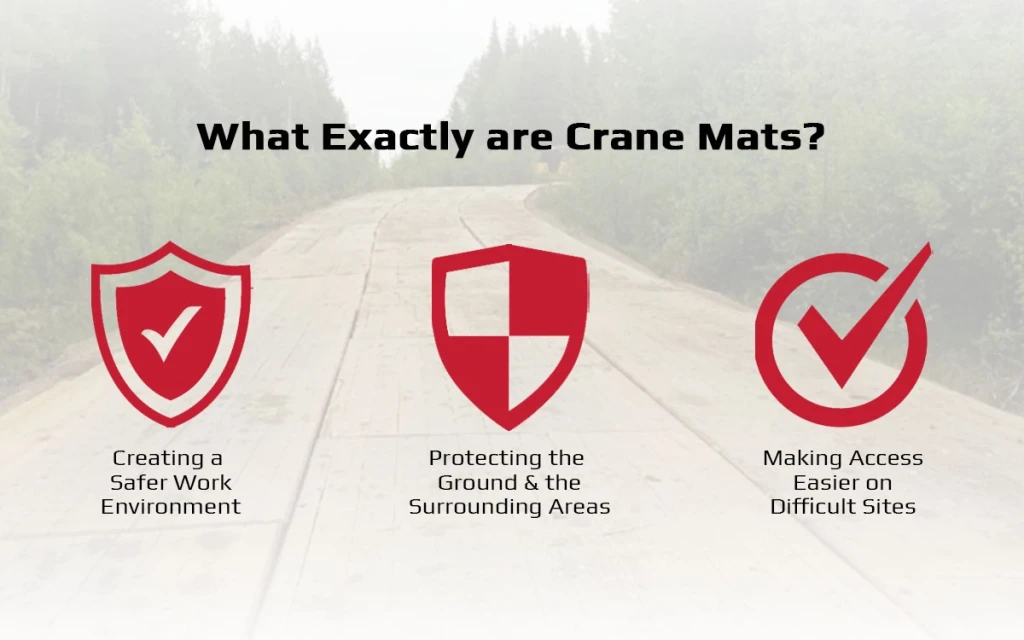
Creating a Safer Work Environment
Safety is also a major reason why crane mats are utilized on a work site. Cranes are huge as well as powerful machines that require a stable platform for their operations.
Moreover, crane mats assist in providing a firm ground that is capable of supporting the entire weight of the machine. This reduces the possibility of falling or sliding due to soil instability. When machines stay stable, workers around them are safer as well.
Using crane mats generally shows that safety is a top priority on the site. This is always beneficial in avoiding accidents and ensuring a smooth flow of work without interruptions.
-
Protecting the Ground and Surrounding Areas
A tremendous number of workplace sites are situated on land that has to be protected. Heavy equipment could otherwise crush soil, destroy grass or damage plants if crane mats are not present to protect the land.
The crane mat acts as a protective cover between the crane and the ground. They help stop deep marks, soil damage, as well as long-lasting ground problems. This is especially true if the land must revert to its natural state once the work is finished.
However, through the use of crane mats, it is possible to construct without endangering the environment.
-
Making Access Easier on Difficult Sites
Some work sites are hard to reach because of mud, soft ground or uneven surfaces. Therefore, moving heavy machines in these areas can be slow and risky.
Crane mats can be laid out to form temporary paths or work areas. These paths help machines move safely across difficult ground without getting stuck. It also allows for faster performance of tasks by machine operators.
The use of crane mats assists in ensuring that even challenging sites can be managed.
How Do You Select the Most Suitable Crane Mats for Your Project?
Choosing the right crane mats does not have to be confusing or stressful. To make your decision-making process easy and select the best mats for your task, below you can find some simple steps to help you choose the best mats:
-
Start by Looking at the Ground Conditions
One of the issues that will have to be addressed in consideration of the crane is the surface on which the crane will be working on the ground. Not all ground is of equal quality.
In case your ground is soft, muddy, wet, or irregular, your crane mats will have to be stronger, larger, or both. This particular type of mat will ensure your weight is well distributed to prevent sinking and movement of your machines. For firm ground, regular mats could be sufficient.
-
Understand the Weight of Your Equipment
Every crane and machine has a weight limit that the ground must support. This is why knowing how heavy your equipment is really matters.
Crane mats should always be designed and sized to withstand the total weight of the crane and any lift loads.
-
Think About How Long the Project Will Last
The period for which the project will take place is another important consideration in choosing crane mats. Projects that take only a few days or weeks are suitable for crane mat rentals. This is because renting crane mats is more economical and does not entail storage costs.
For larger projects, you might want mats that are extra strong and built to handle long-term use. More durable mats hold up better over time and reduce the need for replacements.
Common Crane Mat Sizes and Materials Explained Simply
Most crane mats come in standard sizes that work for many types of projects.
Typical crane mats are:
- About 4 feet wide
- Between 12 and 16 inches thick
- Lengths can range from 16 feet to 40 feet, based on the end uses
These sizes help support heavy machines and give good ground coverage.
Crane mats are usually made from large timbers. This material is chosen because it lasts longer and performs well in rough conditions, even on difficult ground.
Get the Right Support for Your Project with GFI Solutions LTD!
Selecting suitable crane mats can significantly impact not just project safety but also project success. Using suitable mats for the project ensures that construction machinery is stable, prevents damage to the ground and construction work happens without any kinds of issues.
GFI Solutions LTD offers strong and reliable crane mats for rent that are ready for tough job sites across Canada. When you choose us, you get:
- High-quality crane mats built for heavy loads
- Flexible rental options to match your project needs
- Support from a team that understands real job site challenges
If you want a safer and more reliable setup for your next project, reach out to us today and get the right crane mats in place with confidence.
FAQs:
- What exactly are crane mats for rent?
They are temporary ground support platforms rented for construction use to support heavy equipment safely.
- Can crane mats protect sensitive ground?
Yes, they help reduce soil disturbance and protect the environment during heavy equipment operations.
- Are there alternatives to renting crane mats?
You can buy new or used mats, lease for long projects, or choose composite mats based on longevity and conditions.
Dec 16, 2025 | Used Crane Mats
On any construction or industrial site, soft soil, mud, and uneven terrain can slow down progress and put heavy equipment at risk. This is where crane mats and steel-frame rig mats provide the stability needed for safe equipment movement and efficient operations.
However, many project managers don’t realise that used crane mats and rig mats can deliver the same performance as new ones, while significantly reducing costs.
In this blog, let’s explore how used crane mats can save you money while delivering top performance on your next job.
What Exactly Are Crane Mats and Steel Frame Rig Mats?
Crane Mats
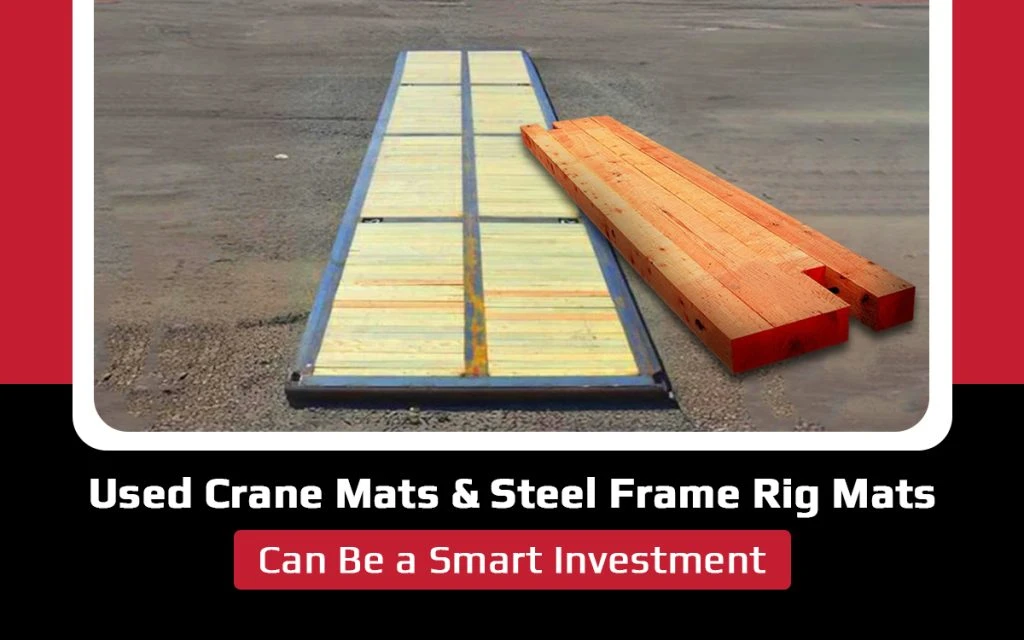
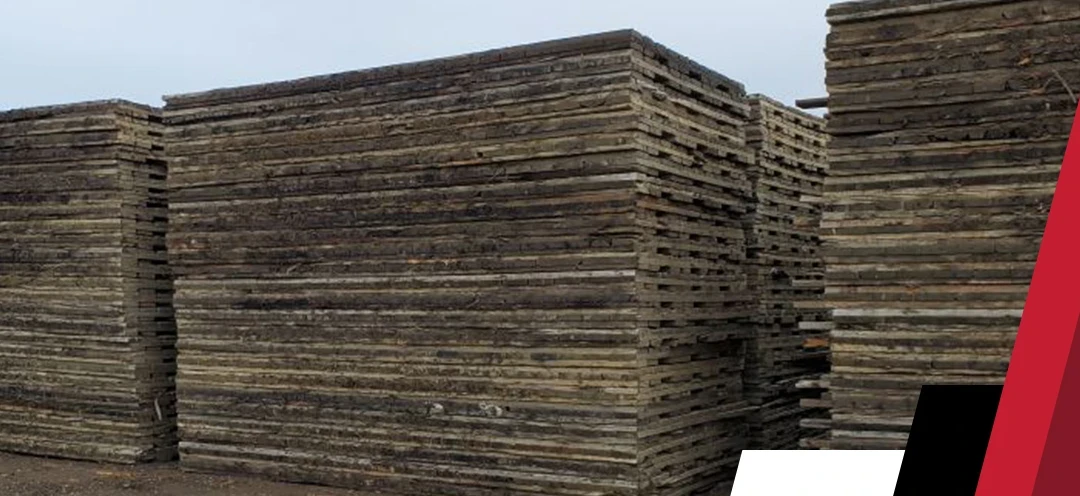
Crane mats are built from solid hardwood or fir timbers bolted together. They are designed to handle extreme point loads, such as crane outriggers and heavy lifting equipment. Crane mats prevent sinking, rutting, and ground damage and offer a secure platform for crews and machinery.
Steel-Frame Rig Mats
Rig mats feature a steel frame with wood or composite decking. This construction spreads weight over a larger area, making rig mats ideal for rolling loads, truck traffic, and high-traffic industrial work.
What Are the Key Differences?
Crane mats excel at concentrated loads, while rig mats perform better under continuous, high-traffic loads. For their unique features, many sites use both types for complete stability.
What Are The Benefits of Investing in Used Crane Mats and Rig Mats?
If you are looking to save money while getting the same outcome as new ones, used crane mats are the perfect choice for your project. Here is why:
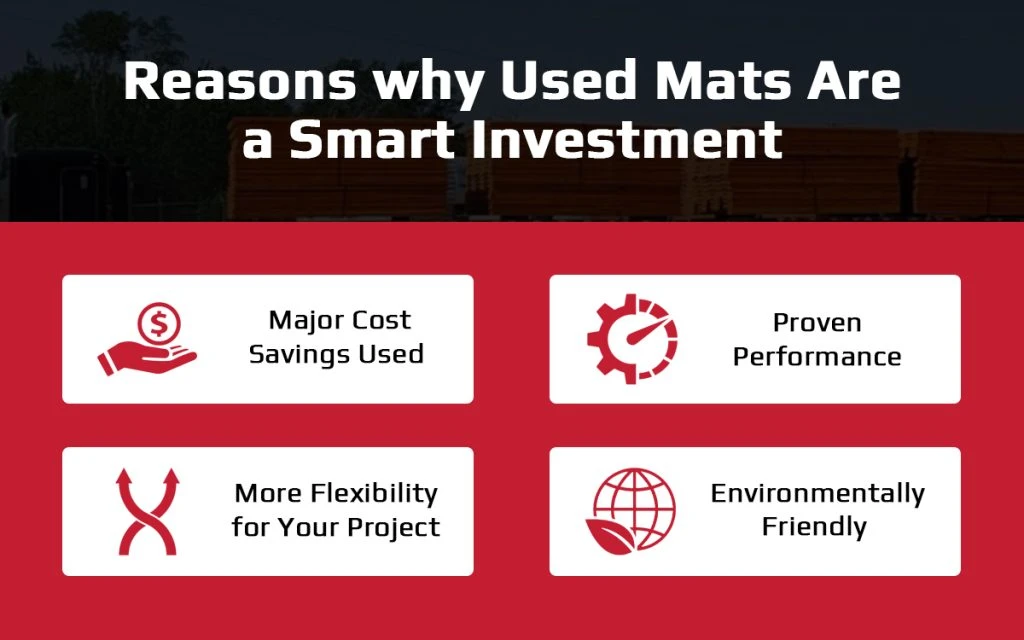
Buying used mats can save 40–60% compared to new ones. This is especially useful if your project is short-term, seasonal, or involves a lot of equipment.
High-quality mats are built for tough conditions. When well-maintained, used mats still do the heavy lifting safely, giving you peace of mind on site.
-
More Flexibility for Your Project
Whether you rent or buy used mats, you can take exactly what you need. For example, if you need mats for a few weeks or a single season, you can deploy the exact amount you need without investing in expensive new gear.
Reusing mats reduces waste and supports a circular economy. This will lower the environmental impact of your project.
How to Choose the Right Used Mats
1. Thoroughly Evaluate the Ground Conditions
Take a close look at your ground. It’s soil type, moisture, and how heavy your equipment is. Picking the right mat starts with understanding your site conditions.
2. Choose Mats That Meet Your Project Scope
Think about how long the mats will be used, how often you will move them, and how much load they will handle. Choosing mats that match your project’s scale and timeline will simplify the entire process.
3. Inspect Before You Buy
Check used mats for wear, damage, or structural issues. Always purchase from reputable suppliers to ensure safety and reliability.
Final Thoughts
Used crane mats and steel-frame rig mats provide exceptional value without compromising performance. They enhance site safety, reduce costs, and support sustainability. When chosen carefully, they are one of the smartest investments for your next project. At GFI Solutions LTD, we offer SiteSafe™ crane mats that are 4′ wide by 20′ long by 12″ thick, designed to handle the heaviest cranes and equipment.
Available in both new and used options, they’re perfect for any remote or challenging worksite. Want to explore our inventory? Browse now and secure the best mats for your project!
Frequently Asked Questions
- Are used crane mats as safe and durable as new ones?
Yes. At GFI Solutions LTD, all our used crane mats are carefully inspected and well-maintained to deliver the same level of strength as the new units.
- How do steel-frame rig mats differ from traditional crane mats?
Crane mats are built for concentrated loads, like crane outriggers and lifting operations. Steel-frame rig mats, with their steel frame and timber or composite decking, are better suited for rolling loads and high-traffic areas. Many projects use both types to cover different needs.
- When should I rent mats instead of buying them?
If your project is short-term or seasonal, renting mats can save money and storage hassle. For long-term or recurring use, buying used mats makes more sense financially and provides ready access whenever you need them.
Dec 3, 2025 | Swamp Mats For Rent
Have you ever wondered how on-site workers protect soft, sensitive areas like wetlands during construction? Or why some projects leave almost no marks behind, while others create deep ruts and damage? In fact, these questions matter a lot when working on land that needs extra care.
GFI offers swamp mats for rent – a cost-effective, safe solution for moving equipment across unstable ground without damaging the environment. In fact, these mats always give support, reduce pressure and help keep the natural environment safe. But the real difference comes not just from using swamp mats, but from using them the right way.
Planning your route, placing mats correctly, and choosing the right time to work are simple steps that help protect the soil, vegetation, and natural water flow. When done properly, these practices keep the land healthier and allow crews to work faster and more safely.
Now, let’s look at how you can protect sensitive ecosystems with the best practices for using swamp mats.
Why is It Important to Plan Your Access Route First?
The very first thing to think about when working in any wetland, marsh, or soft ground area is how you will move across the site. A good plan always helps to avoid unnecessary damage and keeps the natural environment healthier.
Here are some simple best practices that make a big difference:
1. Choose the Safest Ground
Always look for the firmest and narrowest areas to cross. These spots can easily handle equipment better and usually cause less damage.
2. Follow Paths That Are Already Disturbed
If there are areas that have been used before, always try to stick to them. However, using the same path generally prevents creating new damage in other spots.
3. Work During Frozen or Dry Times When Possible
The cold or dry soil is harder and more stable, which reduces the possibility that a piece of equipment will sink into it or make ruts.
The contractors around Alberta will often say that by taking the time to properly plan out their route, they end up doing far less restoration at the end of it. This saves money, reduces delays, and keeps them in good standing with environmental rules.
How Should You Install Swamp Mats the Right Way?
Once your route is planned, the next step is installing your mats properly. Even the strongest swamp mats for rent won’t work well if they are placed incorrectly. In fact, good installation always protects the ground, keeps your machinery stable and helps your team move safely across soft or wet areas.
Before you begin, remember this simple idea: “Place mats with care, and the ground will stay protected.”
Professional installation by GFI avoids shifting mats, damage to the soil, and safety problems later on.
Here are a few easy-to-follow tips:
1. Place Mats in the Right Direction
Typically mats installed in Canada are set parallel to the direction of travel. This gives better support and helps them stay in place.
2. Make Sure the Mats Fit Closely
Push or place the mats together as firmly as possible. Gaps between the mats will lead to movement, causing damage to both the mats and the earth under them.
3. Lift the Mats – Never Drag Them
Dragging mats can tear up soil and plants. However, lifting and placing them gently always keeps the ground healthier and prevents accidental damage.
4. Use Interlocking Mats for Heavy Machines
If your equipment is larger or carries heavier loads, interlocking mats provide stronger support. Their connected design keeps them securely in place and stable, even on soft or uneven ground.
How Can You Reduce Heavy Equipment Impact?
Wetlands are extremely sensitive, and the machinery could cause damage so easily. A simple rule from field technicians: “Think lighter, travel smarter.”
Use:
- Low-ground-pressure equipment
- Wider tracks or tires
- Slow, controlled movement to avoid rutting
- Only essential machinery on the matting surface
- These small choices help keep natural hydrology intact and protect wildlife habitats.
Why is Responsible Mat Removal Important?
After use, mats must be cleaned as well as removed with care to avoid spreading invasive species or disturbing regrowth.
Always make sure to:
- Brush off soil and plant debris before moving mats
- Dispose of debris in upland zones, not back into the wetland
- Lift mats instead of dragging to avoid tearing soft soils
- Restore the original grade as closely as possible
What Should a Proper Restoration and Monitoring Plan Include?
Restoring a site shows environmental accountability and builds community trust. Once the mats are removed:
- Stabilize exposed soils
- Seed with native plant species
- Check drainage patterns weekly
- Document regrowth to stay compliant with permits
- Small steps in monitoring make all the difference to ecosystem recovery.
Are You Ready to Protect Your Site the Smart Way?
If you want your project to move smoothly while keeping sensitive land safe, the right mats and the right guidance make all the difference. That is where GFI Solutions LTD comes in. Our team understands Canadian terrain and offers strong, reliable swamp mats for rent that always help protect wetlands, soft ground and hard-to-reach areas. With our expert support as well as high-quality swamp mats, you can work with confidence and reduce damage from day one.
So, if you are planning a project and want safe access, dependable swamp mats, and expert guidance, we are ready to help. Reach out to us today and get the right matting solution for your site.
FAQs:
- What are the benefits of using swamp mats for rent?
They always protect soils, provide stable access, reduce equipment impact, and help meet environmental regulations.
- Are swamp mats safe for wetlands?
Yes, when they are installed correctly, they significantly reduce disturbance to vegetation and hydrology.
Oct 29, 2025 | wooden access mats
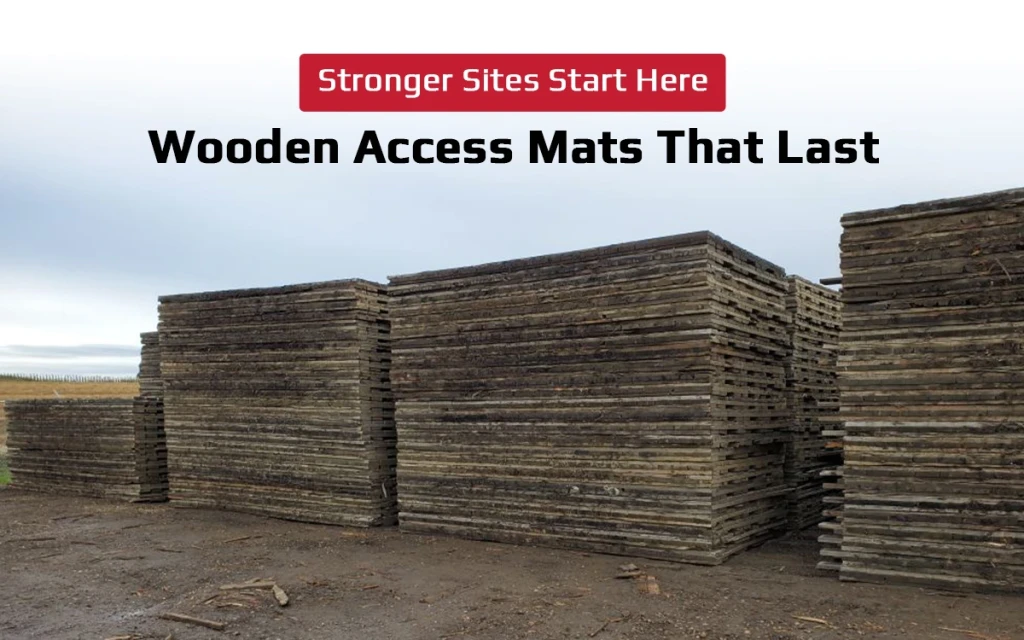
Wooden access mats are a crucial part of safe, efficient worksite operations in industries such as construction, oil and gas, utilities, and forestry. They provide stable, temporary roadways and platforms over soft or environmentally sensitive ground.
At GFI Solutions Ltd., we specialize in manufacturing high-quality Douglas Fir wooden access mats that last—engineered for performance, safety, and longevity. Whether you’re buying new mats or managing an existing inventory, these best practices will help you get the most life out of your wooden access mats.
1. Proper Installation: The Foundation of Long-Term Use
A mat’s durability begins the moment it’s installed. Correct handling, placement, and preparation help ensure your Wooden Access Mats for Long Term Use deliver maximum return on investment.
Site Preparation
Before installation:
- Inspect and level the ground to remove rocks, stumps, or debris that cause pressure points.
- In soft or wet areas, use geotextile fabric to improve drainage and reduce direct soil contact.
Safe Handling
- Always use mat grapples, —never drag mats or lift with a bucket and thumb
- This initial straight edge is crucial because it acts as your primary guideline for the rest of the installation. A straight and properly aligned first row ensures Accuracy, Tight Seams, Proper Interlocking, and Alignment with Site features
- Once you have your straight line, stagger the wooden access mats when laying them, similar to a brick pattern. This practice is a best practice for installation and significantly increases stability and safety.
Taking the time to install correctly prevents premature cracking and costly replacements later.
How Can You Maintain 3-Ply Bolted Douglas Fir Wooden Access Mats for Long-Term Use?
2. Routine Maintenance: Protecting Your Investment
Regular maintenance keeps your mats serviceable and safe, extending their usable life and preserving value.
Inspection & Tracking
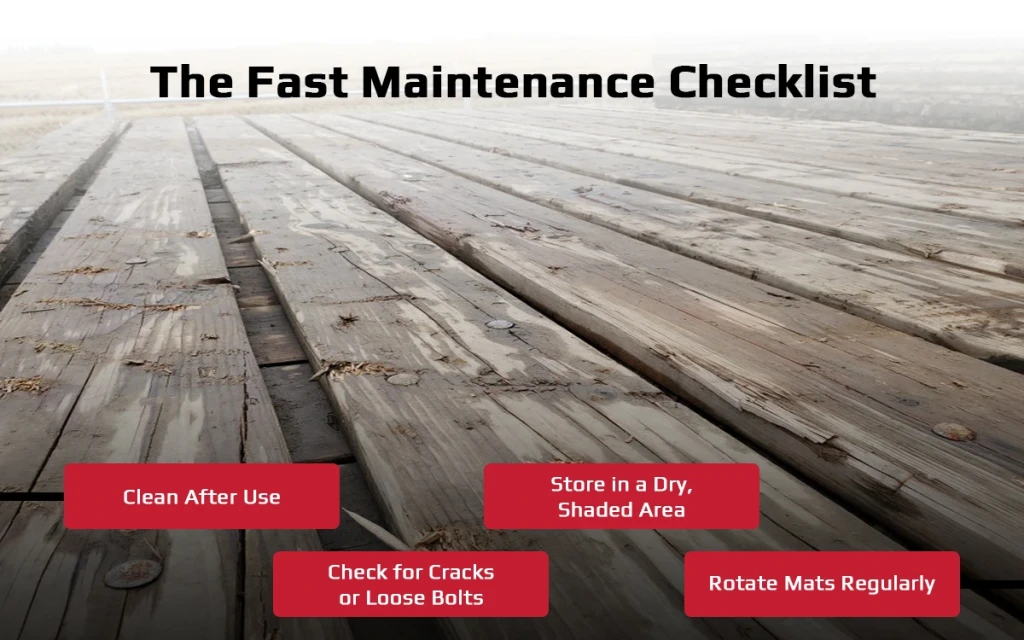
- Inspect mats before, during, and after projects for loose bolts, cracked boards, or rot.
- Implement a mat tracking system to record condition and rotation schedules.
Cleaning & Drying
- Wash mud, vegetation, and oil residue between uses.
- Dry mats completely before stacking or storage to prevent fungal decay and delamination.
Repair & Reuse
- Replace damaged bolts or boards immediately.
- Many mats can be repaired rather than replaced, reducing both cost and waste.
How Can You Keep Your 3-Ply Bolted Douglas Fir Access Mats Even Longer?
3. Proper Handling & Storage Between Projects
How mats are handled off-site directly affects their long-term usability.
Transport
- Stack mats evenly and secure loads properly.
- Avoid over-stacking, which can crush lower mats.
Storage
- Store mats off the ground on dunnage or timbers to prevent moisture absorption.
- Keep them in well-ventilated, shaded areas to promote drying and reduce rot.
- Separate damaged mats from the main stock for repair and inspection.
Proper storage ensures you’ll have wooden access mats that last for many projects to come.
4. Optimize Usage for Maximum Lifespan
Using the right mat for the right job helps you achieve long-term performance while minimizing unnecessary wear.
- Douglas Fir bolted mats handle heavy equipment and construction loads.
- CLT (Cross-Laminated Timber) and hybrid mats are ideal for lighter work or environmentally sensitive areas.
- Rotate mats between high- and low-impact applications to even out wear.
By managing your inventory strategically, you can significantly increase your mats’ operational lifespan.
5. Environmental Responsibility
Extending mat life isn’t just smart business—it’s good environmental stewardship.
- Clean mats between sites to prevent contamination and invasive species spread.
- Recycle or repurpose old mats for secondary use (blocking, landscaping, etc.).
- Choose suppliers who use responsibly sourced lumber and sustainable manufacturing practices.
Responsible use helps ensure your Wooden Access Mats for Long Term Use also meet sustainability goals.
Conclusion
Well-maintained wooden access mats can deliver exceptional value over many years of service. By following proper installation, maintenance, and handling practices, companies can extend mat life by 30–40%, lower operating costs, and improve overall safety.
At GFI Solutions Ltd., we design and supply Douglas Fir wooden access mats that last—built for the extreme conditions of Western Canada. Whether you need mats for heavy industrial use or a full mat management program, our team can help you protect your investment and your worksite.
Keep Your Worksite Strong with the Right Access Mats!
Maintaining your wooden access mats does not have to be a hassle. With proper installation, frequent cleaning and gentle treatment, your mats can always extend for countless years and smooth out each job and make each one safer.
If you are looking for tough and reliable traditional 3-ply bolted Douglas Fir access mats, GFI Solutions LTD is here to help. We understand what Canadian worksites need and provide strong, durable mats built to handle all kinds of weather and heavy equipment.
Run your projects safely and efficiently with mats that truly stand the test of time. To discover more or to obtain a quote, contact us today.
FAQs:
1. How long do wooden access mats last?
With proper maintenance, 3-ply bolted Douglas fir access mats can easily last between 3 to 5 years, depending on usage a well as weather exposure.
2. Can you repair a damaged access mat?
Yes. Cracked boards or loose bolts are repairable if detected early, preventing you from having to replace the whole thing.
3. Where are quality wooden access mats available for purchase or rent in Canada?
You can find durable, 3-ply bolted Douglas Fir access mats at GFI Solutions LTD.