
How to Protect Sensitive Ecosystems: 5 Best Practices Using Swamp Mats for Rent
Have you ever wondered how on-site workers protect soft, sensitive areas like wetlands during construction? Or why some projects leave almost no marks behind, while others create deep ruts and damage? In fact, these questions matter a lot when working on land that needs extra care.
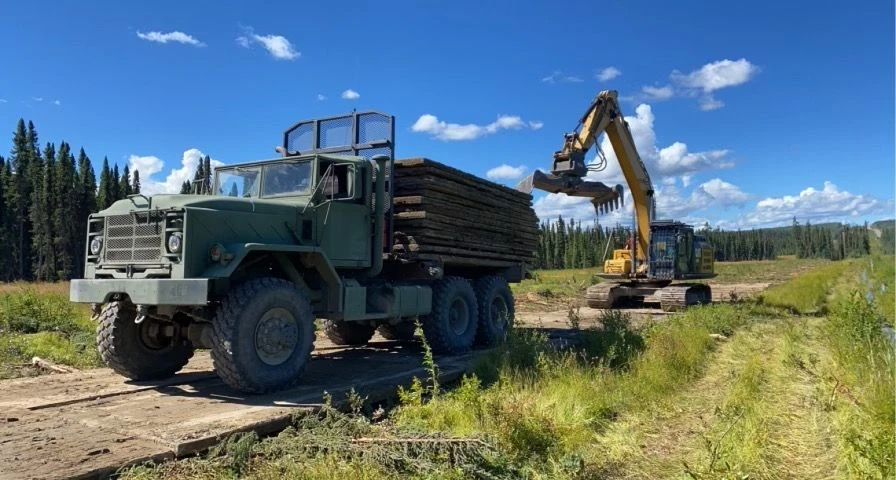
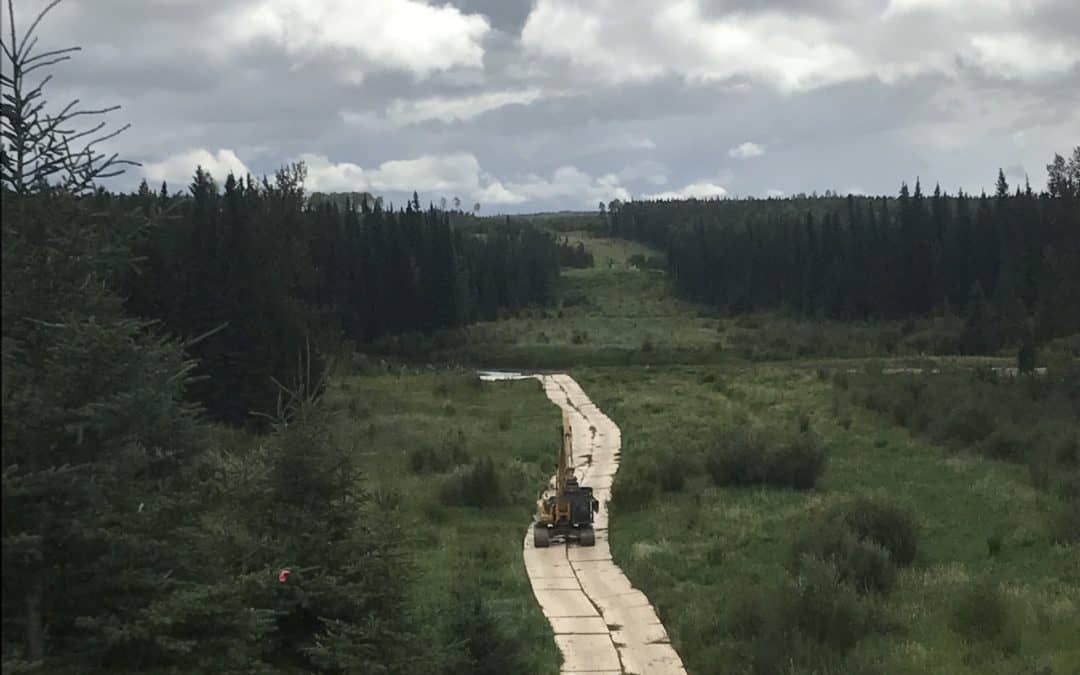
GFI offers swamp mats for rent – a cost-effective, safe solution for moving equipment across unstable ground without damaging the environment. In fact, these mats always give support, reduce pressure and help keep the natural environment safe. But the real difference comes not just from using swamp mats, but from using them the right way.
Planning your route, placing mats correctly, and choosing the right time to work are simple steps that help protect the soil, vegetation, and natural water flow. When done properly, these practices keep the land healthier and allow crews to work faster and more safely.
Now, let’s look at how you can protect sensitive ecosystems with the best practices for using swamp mats.

Why is It Important to Plan Your Access Route First?
The very first thing to think about when working in any wetland, marsh, or soft ground area is how you will move across the site. A good plan always helps to avoid unnecessary damage and keeps the natural environment healthier.
Here are some simple best practices that make a big difference:
1. Choose the Safest Ground
Always look for the firmest and narrowest areas to cross. These spots can easily handle equipment better and usually cause less damage.
2. Follow Paths That Are Already Disturbed
If there are areas that have been used before, always try to stick to them. However, using the same path generally prevents creating new damage in other spots.
3. Work During Frozen or Dry Times When Possible
The cold or dry soil is harder and more stable, which reduces the possibility that a piece of equipment will sink into it or make ruts.
The contractors around Alberta will often say that by taking the time to properly plan out their route, they end up doing far less restoration at the end of it. This saves money, reduces delays, and keeps them in good standing with environmental rules.
How Should You Install Swamp Mats the Right Way?
Once your route is planned, the next step is installing your mats properly. Even the strongest swamp mats for rent won’t work well if they are placed incorrectly. In fact, good installation always protects the ground, keeps your machinery stable and helps your team move safely across soft or wet areas.
Before you begin, remember this simple idea: “Place mats with care, and the ground will stay protected.”
Professional installation by GFI avoids shifting mats, damage to the soil, and safety problems later on.
Here are a few easy-to-follow tips:
1. Place Mats in the Right Direction
Typically mats installed in Canada are set parallel to the direction of travel. This gives better support and helps them stay in place.
2. Make Sure the Mats Fit Closely
Push or place the mats together as firmly as possible. Gaps between the mats will lead to movement, causing damage to both the mats and the earth under them.
3. Lift the Mats – Never Drag Them
Dragging mats can tear up soil and plants. However, lifting and placing them gently always keeps the ground healthier and prevents accidental damage.
4. Use Interlocking Mats for Heavy Machines
If your equipment is larger or carries heavier loads, interlocking mats provide stronger support. Their connected design keeps them securely in place and stable, even on soft or uneven ground.
How Can You Reduce Heavy Equipment Impact?

Wetlands are extremely sensitive, and the machinery could cause damage so easily. A simple rule from field technicians: “Think lighter, travel smarter.”
Use:
- Low-ground-pressure equipment
- Wider tracks or tires
- Slow, controlled movement to avoid rutting
- Only essential machinery on the matting surface
- These small choices help keep natural hydrology intact and protect wildlife habitats.
Why is Responsible Mat Removal Important?
After use, mats must be cleaned as well as removed with care to avoid spreading invasive species or disturbing regrowth.
Always make sure to:
- Brush off soil and plant debris before moving mats
- Dispose of debris in upland zones, not back into the wetland
- Lift mats instead of dragging to avoid tearing soft soils
- Restore the original grade as closely as possible
What Should a Proper Restoration and Monitoring Plan Include?
Restoring a site shows environmental accountability and builds community trust. Once the mats are removed:
- Stabilize exposed soils
- Seed with native plant species
- Check drainage patterns weekly
- Document regrowth to stay compliant with permits
- Small steps in monitoring make all the difference to ecosystem recovery.
Are You Ready to Protect Your Site the Smart Way?
If you want your project to move smoothly while keeping sensitive land safe, the right mats and the right guidance make all the difference. That is where GFI Solutions LTD comes in. Our team understands Canadian terrain and offers strong, reliable swamp mats for rent that always help protect wetlands, soft ground and hard-to-reach areas. With our expert support as well as high-quality swamp mats, you can work with confidence and reduce damage from day one.
So, if you are planning a project and want safe access, dependable swamp mats, and expert guidance, we are ready to help. Reach out to us today and get the right matting solution for your site.
FAQs:
- What are the benefits of using swamp mats for rent?
They always protect soils, provide stable access, reduce equipment impact, and help meet environmental regulations.
- Are swamp mats safe for wetlands?
Yes, when they are installed correctly, they significantly reduce disturbance to vegetation and hydrology.